
Between rising housing costs, student debt, and economic uncertainty, many young adults feel pressure to make the “right” financial decisions. Personal finance isn’t one-size-fits-all. The key is finding habits and strategies that fit your goals, priorities, and lifestyle. Building financial confidence often starts with small and consistent actions.
For this year’s Financial Literacy Month, we spoke with three chartered professional accountants (CPAs), Angela Kaiser, Darryl Glen, and Tiffany Snauwaert, who specialize in different areas of personal finance. Their message was clear: financial literacy isn’t about being perfect with money. It’s about understanding your options, making informed decisions, and taking control of your financial future.
Here are five practical lessons to help you build financial confidence.
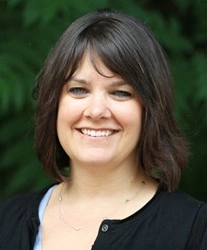
1. Understand where your money is going
One of the biggest misconceptions about personal finance is that you need a detailed budget to get your finances on track, but in reality, having awareness is often the best place to start. When people think about budgeting, they often focus on restrictions. Snauwaert (left) takes a different approach.
“How much joy am I really getting out of every dollar that I’m spending?”
Rather than tracking every penny, she encourages people to evaluate whether and how their spending aligns with what they value. Small purchases such as that daily specialty coffee, multiple streaming subscriptions, or food delivery orders may seem insignificant, but they add up over time and can reveal opportunities to redirect money toward larger goals.
Takeaway:
- Track your spending for 30 to 60 days to understand spending patterns.
- Make intentional spending decisions.
- Understand small spending habits to identify the biggest opportunities for change.
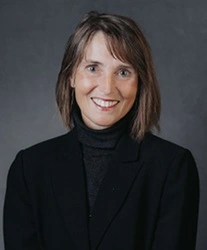
2. Build saving habits that work for you
For many, saving money can feel challenging amid rising costs and competing financial priorities. There may be periods in your life when setting money aside is especially difficult, and that’s okay. The good news is that building a savings habit doesn’t require large contributions to start.
Kaiser (left) recommends "paying yourself first" by automatically transferring a portion of each pay cheque into a savings account that isn’t easily accessible before spending the rest. Saving 10% to 20% of your income may not be realistic for you, so save what is realistic, even if it’s $10 or $100 a month, and keep your contributions consistent to build the habit.
Takeaway:
- Start with a realistic amount that can be maintained.
- Automate savings whenever possible.
- Remember, building the habit is often more important than the size of the contribution.

3. Take control of debt before it takes control of you
Not all debt is created equal, and having a plan can make repayment feel more manageable. Both Kaiser and Glen (left) recommend prioritizing high-interest debt, particularly credit card balances, while staying organized and maintaining visibility over all outstanding obligations.
As Glen notes, “it is important to stay on top of your finances so you have good visibility on all of your bills and debt.”
While this is the general approach, for some people, paying off smaller balances can provide a sense of accomplishment and motivation to keep going.
Takeaway:
- Know what you owe and the interest rates attached to each debt.
- Create a repayment strategy that works for your situation.
- Focus on progress, not perfection.
Read more
- The summer money hangover: Planning and budgeting to recover before fall
- Crypto fraud: Understanding its thread and impacts
- Managing debt and cost-of-living increases in Canada
4. You don’t need to be an expert to start investing
Many people put off investing because they feel they need to become experts first. According to our CPA experts, learning is part of the process.
Snauwaert encourages people to take the time to understand the basics and seek advice from qualified professionals when needed. Before investing, it’s important to understand your goals, your timeline, and how much risk you’re comfortable taking.
Kaiser also cautions against investing in products you don’t understand. “Never invest in anything that you do not fully understand.”
Rather than trying to predict the market’s highs and lows, she recommends focusing on consistency by contributing regularly and building knowledge over time.
Takeaway:
- Start with the basics and continue learning.
- Understand your goals and risk tolerance before investing.
- Focus on consistency rather than trying to time the market.
5. Financial literacy means knowing where to find help
Investing is just one part of financial literacy. Equally important is knowing where to find trustworthy information and understanding the tools available to help you make informed financial decisions.
Glen credits many of his financial opportunities to conversations he had with classmates, colleagues, employers, and educational institutions. He encourages people to ask for advice from trusted sources and remain open to learning from others. Whether it’s scholarships, workplace benefits, or tax credits, there may be opportunities available that you’ve simply never learned of yet.
For Canadians, tools such as Tax-Free Savings Accounts (TFSAs), Registered Retirement Savings Plans (RRSPs), and First Home Savings Accounts (FHSAs) can help support long-term financial goals while providing valuable tax advantages.
When asked what financial literacy means to them, all three CPAs shared a common message: Financial literacy isn’t about being perfect with money. It’s about having the knowledge and confidence to make informed decisions and take control of your financial future.
Takeaway:
- Ask questions and seek advice from trusted sources.
- Learn about financial tools designed to support your goals.
- Focus on building confidence and knowledge over time.
Building financial confidence one step at a time
Financial confidence isn’t built overnight. It develops through small actions, consistent habits, and a willingness to keep learning. This Financial Literacy Month, take a closer look at your finances and choose one habit to focus on. Your future self will thank you for it.
This article is not intended as financial advice, and you should not make financial decisions based solely on the information presented.
Photo of Tiffany Snauwaert provided by Tiffany Snauwaert. Photo of Angela Kaiser by Cakewalk Media. Photo of Darryl Glen provided by Darryl Glen.
Kelly Liu is a Communications Specialist at CPABC.